The wedding day timeline: how to plan the day so the photographs do not suffer
The skeleton of a timeline from the weddings I photograph: where the preparations, the ceremony and the portraits belong, and why buffer time saves the day.
Lazar Mihajlović
Published: 31 July 2026
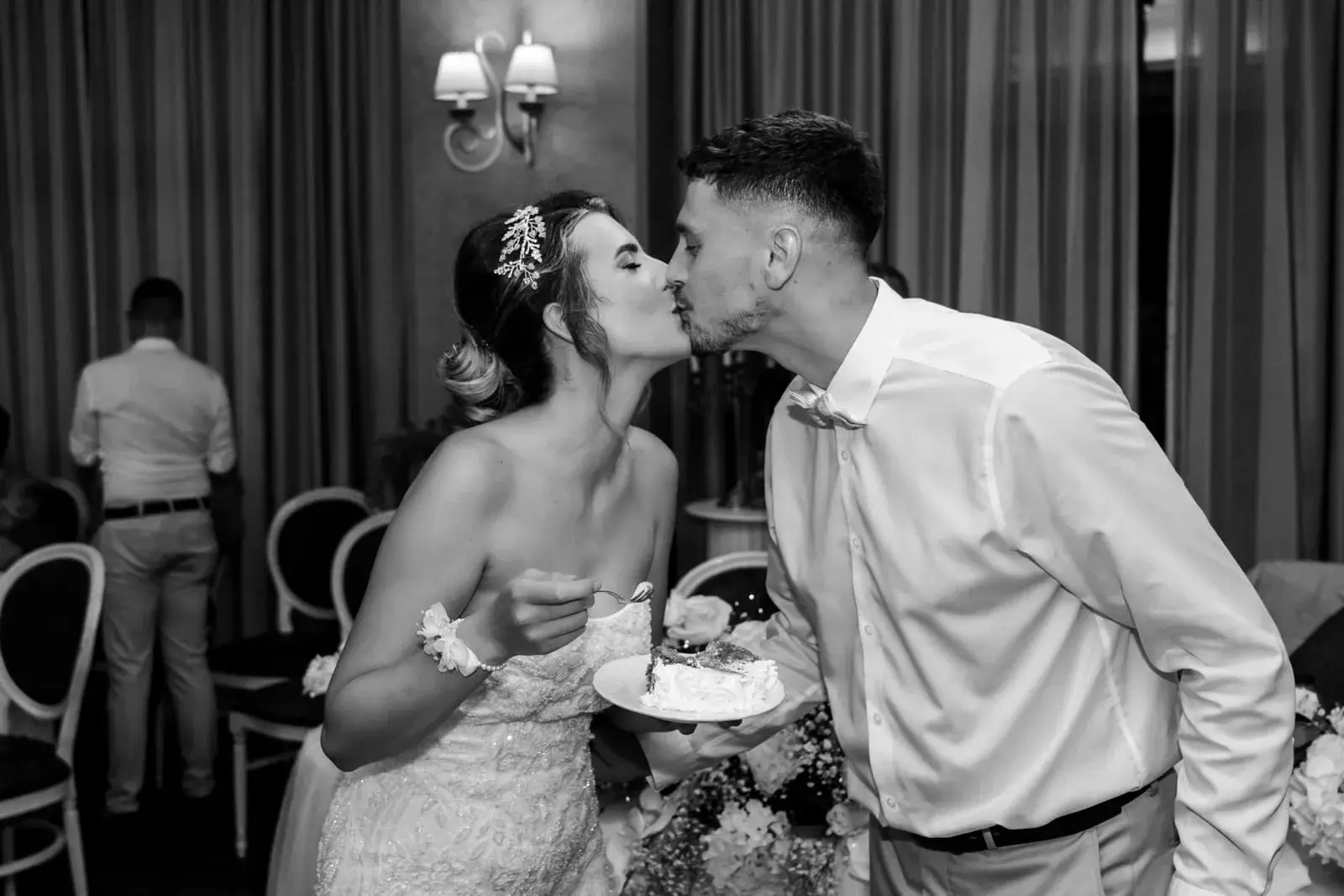
When I sit down with a couple before the wedding, most of our time does not go on talking about photographs but about the timeline. With good reason: neither the best eye nor the best equipment can save a day in which everything is squeezed so tightly that people end up running from the ceremony to the venue.
The good news is that a timeline which breathes is simple to build. A few rules hold for almost every wedding, and here is how they look from the perspective of someone who goes through that day every week. A timeline is not a corset: its purpose is to keep you calm, so that on the day itself nobody has to look at a piece of paper.
Light dictates the schedule, not the other way round
The first thing I do when a couple sends me a date is check when the sun sets that day. It sounds like a detail and it changes everything: portraits of the two of you look most beautiful in the warm light before sunset, in the so called golden hour. In summer that means portraits after eight in the evening, in October already around six. That single piece of information immediately says where the portraits sit in the day, and with them everything else.
Once the portrait block is in the right place, the rest of the day arranges itself around it naturally. The reverse does not work: a schedule made without a look at the sun almost always puts the portraits in the worst possible light.

A rough timeline that works
I adapt every wedding to the couple and not to a template, but the skeleton of the day most often looks like this:
- Morning: preparations, hair and make up, details and the first frames of the day, all without rushing
- Early afternoon: the departure, the families meeting and the drive to the place of the ceremony
- The ceremony: civil, religious or both, with a realistic duration and travel time between the locations
- After the ceremony: congratulations, then the family photographs while everyone is together
- Before sunset: portraits of the two of you, fifteen minutes of quiet just for you
- Evening: the entrance into the hall, dinner and the toasts
- Night: the first dance, the cake and the party until the last song
The order moves when it needs to. Sometimes the family photographs fit right into the congratulations, sometimes we split the portraits into two shorter blocks. What matters is that every block exists and that everyone knows in advance when it comes.
Buffer in the timeline: the half hour that saves the day
The most common mistake in timelines is optimism. Hair never takes exactly as long as booked, the convoy always gets held up somewhere, and the congratulations drag on as soon as relatives who have not seen each other for years meet. So between the big blocks leave fifteen to thirty minutes of buffer.
Nobody at a wedding notices a good timeline. A bad one shows in the photographs: in the quick steps and the glances at the watch.
If everything runs to plan, that buffer becomes the most relaxed part of the day and often produces the best frames. If it does not, that buffer is exactly what saved you from running.
A morning without rush is half the album
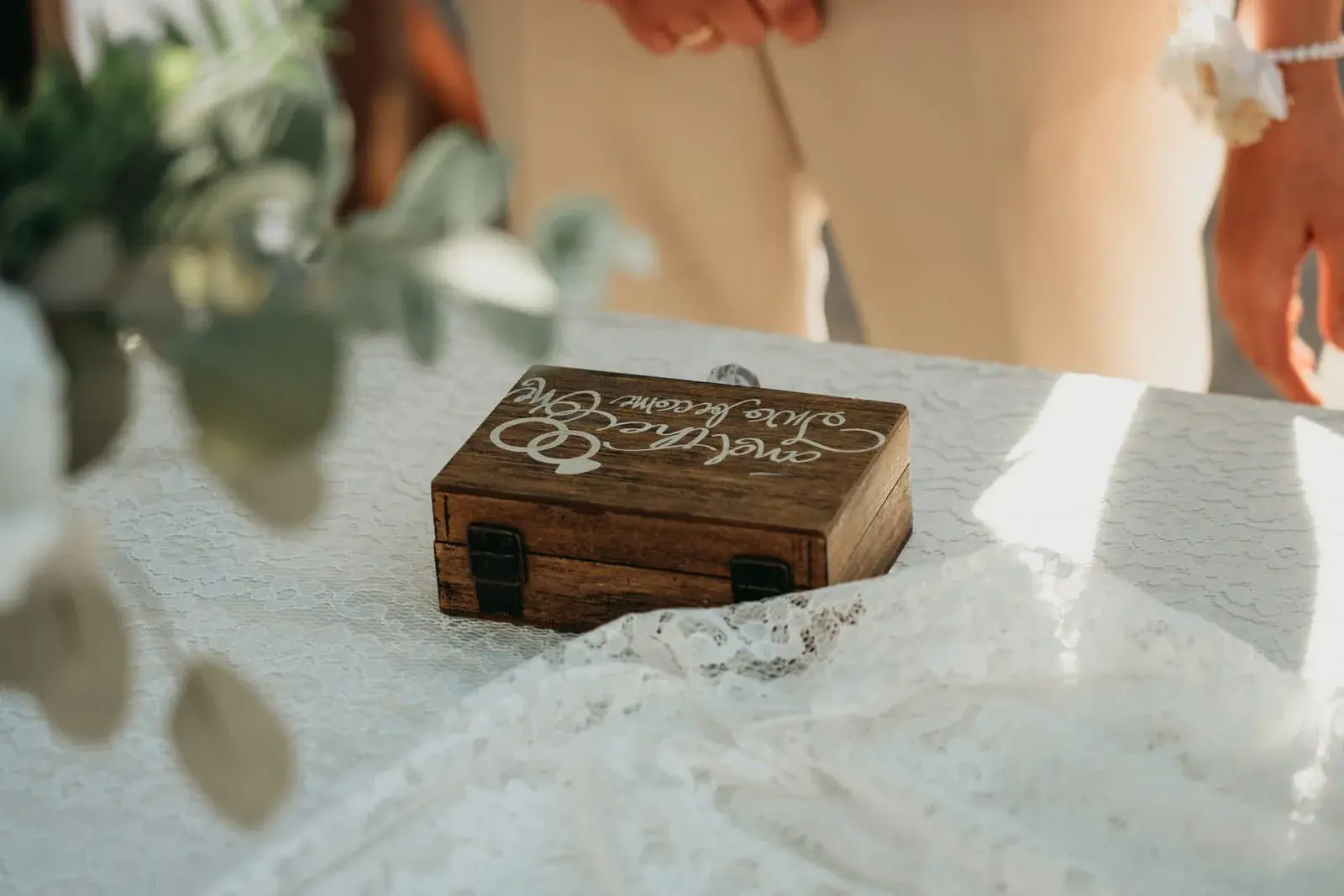
The morning preparations are the most intimate part of the day and they produce the photographs people look at most afterwards: the mother fastening the dress and the details that were chosen over months. For that to breathe, count on hair and make up being finished an hour before the departure, not at the last minute.
That hour is not dead time. In it, portraits with parents and the closest family come about calmly, in a space that means something to you, without fifty people waiting. When the morning is set up that way, you enter the rest of the day calmer, and that calm shows in the photographs more than any detail of the decoration.
Portraits when the light is on your side
Portraits of the two of you do not need an hour. Fifteen to twenty minutes at the right time of day are worth more than a block twice as long at noon. That is why we tie them to sunset, even if it means a short step out of the hall between two courses. The guests barely notice it, and you get the photographs that make the album open there first.
If you are thinking about seeing each other before the ceremony, that opens up further options for the schedule, which I write about in more detail in the text on the first look decision.

Lazar Mihajlović Photography
Let us build your timeline together
Send me the date and the location. Once we confirm the date, we go through the whole day and put together a schedule that leaves room both for photographs and for enjoying yourselves.
Check availability