The late night party: why the best photographs often happen after midnight
Ties loosen, heels come off and the room becomes the most honest version of itself. That is why I photograph the party to the end, not to the cake.
Lazar Mihajlović
Published: 11 September 2026
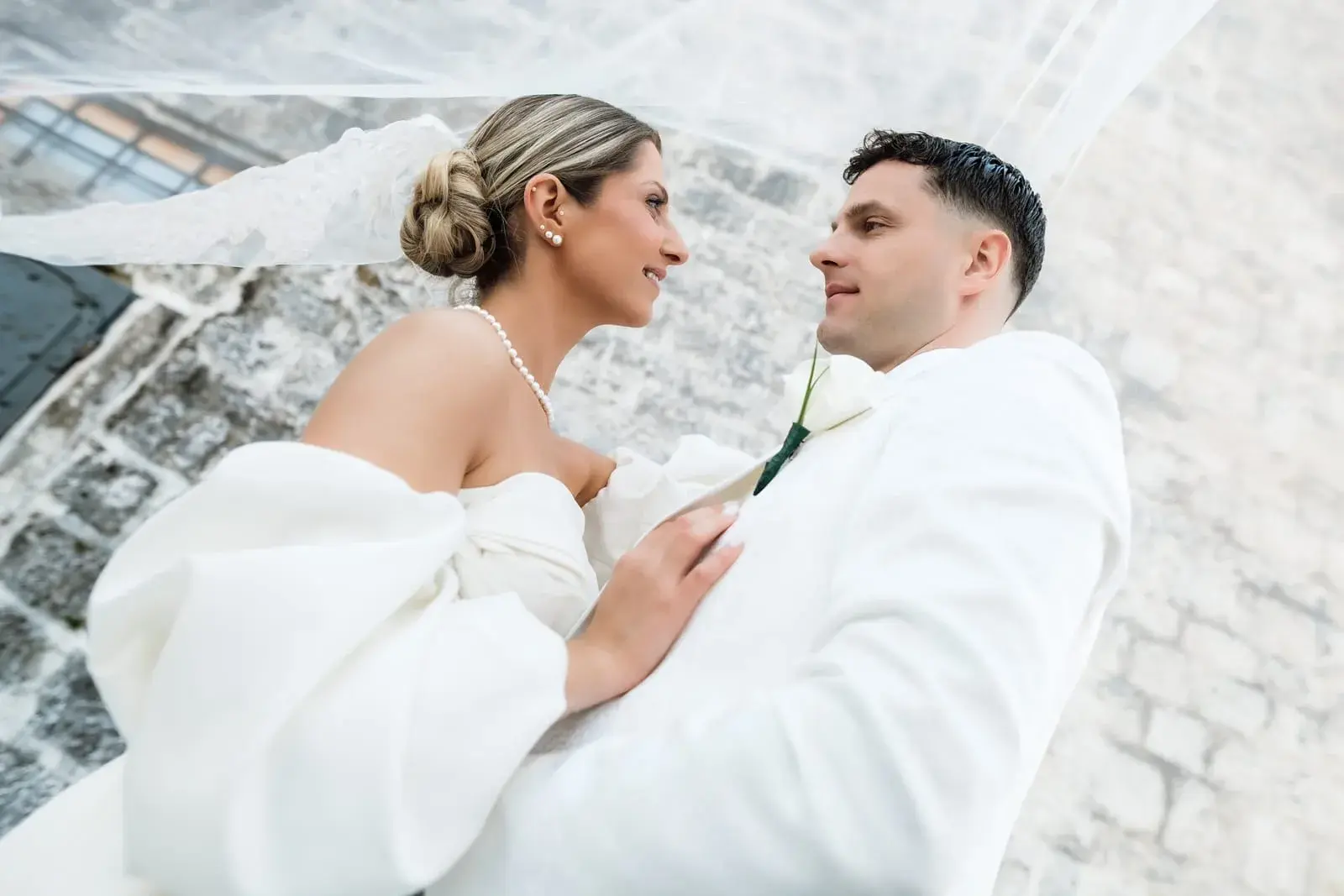
Somewhere around midnight a wedding changes its state of matter. The jacket hangs on a chair, the heels came off long ago, and on the dance floor everyone is singing at the top of their lungs. Couples often ask me how long I stay, and the answer regularly surprises them: my favourite part of the night is only beginning.
After dinner and the cake, the last trace of posing disappears. What remains is pure energy and photographs that cannot be made in any other way.
This piece is for couples wondering whether coverage until the end is worth it, and what photographs taken in a dark room, with flash and confetti, even look like.
After dinner the camera becomes invisible
Until dinner people are still aware of the camera. Someone fixes their hair when they notice me, someone waits for me to pass before taking a bite. After midnight all of that is gone. People dance with their eyes closed and sing the chorus into each other's faces.
That is when the moments nobody planned happen: a grandmother leading the circle dance, and two groups who met over dinner behaving as if they had known each other all their lives. In those frames you do not see the joy, you feel it.
I photograph the first part of the day so it will be beautiful. I photograph the last part of the night so it will be true.
Direct flash: a style with attitude, not a necessity
In a dark room, flash is a matter of physics, but the way it is used is a matter of taste. Direct flash, a sharp hit of light straight into the scene, is deliberately chosen today as an aesthetic. Frames get a raw, honest note, like clippings from someone's personal archive, and colours and contours stay clear even when the venue lighting goes wild.
I like to combine. Part of the evening I shoot with ambient light, which preserves the atmosphere and warmth of the space, and part with direct flash, which freezes movement and energy. In the album those two looks alternate and the night gets the rhythm it actually had. Nothing about it is random, for every song I choose where I stand and which light I work with.
Why the photographer stays past the cake
There is an old calculation by which coverage ends with the cake, because all the official moments are done by then. On paper it sounds logical. In practice, the party is only getting started, so albums without the last third of the night feel like a song cut off before the chorus.
How many hours of coverage make sense for your day is a topic of its own, I wrote about it in the piece on how many hours of photography you really need. My only advice is not to make that decision out of habit. If you know your crowd stays until dawn, let the album know it too.
Small agreements, noticeably better photographs
A few things I settle with couples before the wedding that matter more to the night frames than any lens in my bag:
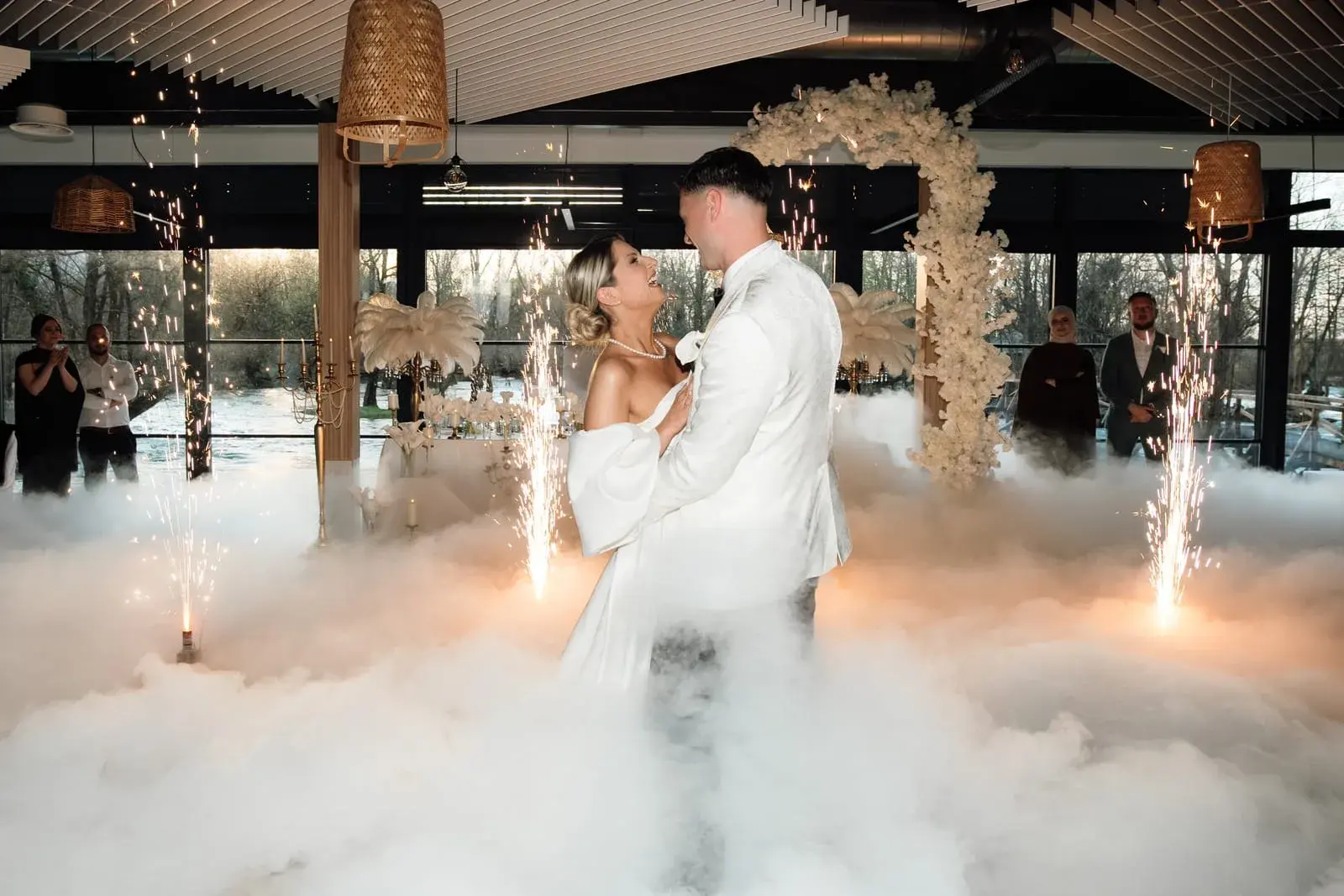
- Let the smoke machine rest during the first dance, haze in the frame swallows emotion
- Keep at least one light on the dance floor at all times, complete darkness is unforgiving
- Schedule the bouquet toss and any joint performances while the room is still full
For the first dance there are separate rules about light and space, I have written about them before. Everything after it is not staged. The best frames after midnight are not planned, they are met prepared.
Lazar Mihajlović Photography
Let the last chorus make it into the album too
Send me the date, the location and a rough plan for the evening, and together we will set up coverage that follows the celebration for as long as it lasts.
Check availability